What Really Makes Hotel Guests Come Back? (Hint: It's Not Another Amenity)
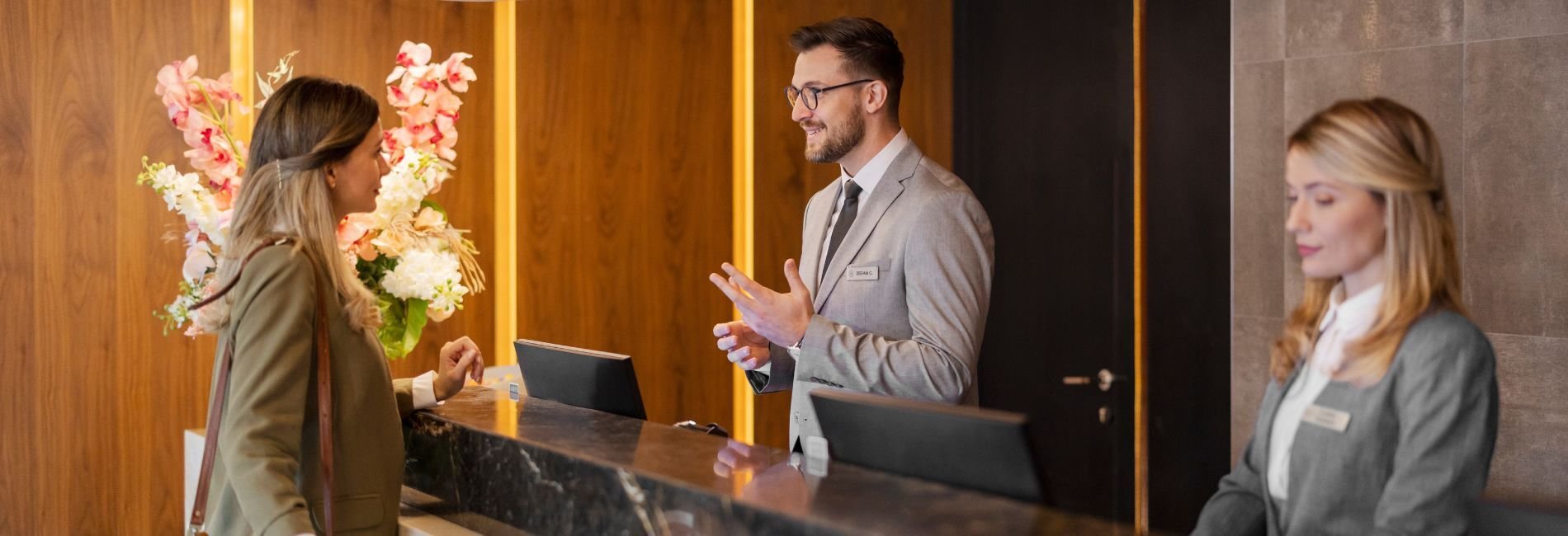
How to improve hotel guest loyalty starts with three practical moves: fix what guests already complain about, find out why they booked, and act on what they tell you. Those moves give guests a reason to return.
Hotels have gotten very good at adding things: more amenities, more technology, more loyalty perks. But a guest who walks into a dirty room, or reports a maintenance issue that never gets fixed, won't care about the smart thermostat or the mobile key.
That gap between what hotels invest in and what actually drives a booking was the focus of a recent conversation between Sofya Williams of ComOps and Stacey Bebo, Vice President of Guest Loyalty and Engagement at My Place Hotels.
Their takeaway: the next competitive advantage probably isn't something new. It's understanding why guests chose you in the first place.
The $100,000 Question
Sofya put Stacey on the spot with the burning question: with $100,000 to improve the guest experience, would you add a new amenity or fix a recurring issue guests keep complaining about?
"I would definitely fix the recurring issue," Stacey said. "At the end of the day, the guests, if you're listening, they will tell you what's important to them."
A renovated lobby photographs well and gives marketing something to promote. But guests don't experience your capital budget. They experience your hotel. A new amenity might win the first booking. Fixing what frustrates guests earns the next one.
That starts with defining the guest problem before approving the investment.
Value Means Solving a Real Problem
Stacey explained that My Place Hotels focuses on "providing modern amenities at affordable prices": full-size refrigerators, in-room kitchenettes, recliners, on-site laundry, and My Store for snacks and everyday essentials.
None of it is flashy. All of it lets guests "keep their everyday routines and make their stay feel like home away from home."
For someone on a three-week work assignment, a kitchenette is worth more than a trendy cocktail bar. Value depends on the guest and the reason for the trip. The same goes for price.
"As an industry, we've done a great job looking at competitor pricing," Sofya noted. "But that doesn't always mean that's the reason why they're selecting us."
Stacey described the brand's value as going "beyond just pricing and points," rooted in a "comfortable, clean stay that they can count on time and time again."
Consistency removes uncertainty, making the familiar choice the easy one.
Ask Why They Chose You, Not Just How Satisfied They Were
Hotels collect satisfaction scores, reviews, and recommendation ratings.
Yet surprisingly few take the time to find out what made the guest choose their property in the first place.
That difference changes where you invest. A hotel might earn great scores for its breakfast and decide to expand it, when guests actually booked for the location, the parking, and a reputation for clean rooms.
Breakfast made them happy. It didn't make them choose.
Those distinctions can also help sales teams build proposals around what guests actually value.
At My Place Hotels, front desk teams fill that gap in conversation by asking guests what brings them to town and why they chose the property. With frequent business travelers, those conversations become relationships. Some team members recognize returning guests by their voice when they call.
That's personalization without an algorithm.
Feedback Only Counts If Something Changes
A dashboard doesn't fix a dirty room. The value comes from turning guest feedback into operational action.
Sofya said what sets My Place Hotels apart is that it acts on what guests tell it.
The brand combines survey feedback gathered through ComOps and Medallia with insights from its front-line staff. Surveys are deliberately short: five or six key questions that take three minutes or less, "'cause we know time is valuable to our guests." Guests typically respond within 24 hours, while the stay is still fresh.
"That data is invaluable," Stacey said. "We use that day in and day out to make decisions across our whole brand."
With new properties expected in 2027 or early 2028, that discipline is how the brand plans to keep the experience consistent as it grows.
Keep the Human Part Human
Stacey's rule for technology is simple: it "should really simplify the guest's stay, not replace hospitality."
Let AI and automation handle back-of-house efficiency, and keep the warm welcome at the front desk. Sofya, who travels often for work, admitted she never uses check-in kiosks because she wants that conversation with an agent.
The loyalty program follows the same thinking. Stay Rewarded points post nightly, so members can redeem them for dining, retail, or travel e-gift cards while they're still on the road. After noticing how many guests travel with pets, the brand launched My Pet Points. Benefits that match how guests actually travel build the relationship, not just the transaction.
The results back it up: Stacey cited a loyalty score of 9 out of 10 and a social score of 4.4 out of 5.
The Better Question
"We are here to serve, and hospitality is serving from the heart," Stacey said.
No hotel gets it right every time. The ones guests come back to listen, fix what's broken, and keep asking: Why did they choose us, and what would make them choose us again?
Find Out Why Guests Choose You
Satisfaction scores tell you how a stay went.
They don't tell you why guests booked or what brings them back.
ComOps helps hospitality teams turn guest feedback into operational improvements that address recurring issues and give guests a reason to return.
Connect With ComOps >>
Frequently Asked Questions About Hotel Guest Loyalty
1. What makes hotel guests come back?
Hotel guests are more likely to return when a property consistently delivers cleanliness, comfort, convenience, and reliable service. Competitive pricing and loyalty rewards can influence decisions, but trust in the overall experience gives travelers a compelling reason to book again.
2. Do hotel amenities actually increase guest loyalty?
Hotel amenities can strengthen loyalty when they address guests' practical needs. Features such as kitchenettes, laundry facilities, and comfortable workspaces may be especially valuable to extended-stay travelers. The key is understanding which amenities influence booking decisions, not assuming more features automatically mean greater value.
3. How can hotels improve guest loyalty without lowering room rates?
Hotels can strengthen guest loyalty by resolving recurring service issues, delivering consistent experiences, recognizing guest preferences, and offering relevant rewards. Understanding why travelers choose a property helps operators identify improvements that create value without relying solely on discounts.
4. How can hotels use guest feedback to increase repeat bookings?
Hotels can use guest feedback to identify recurring problems, understand booking motivations, and prioritize operational improvements. Combining short surveys, online reviews, and employee observations provides a more complete picture of what guests value. The most important step is turning those insights into measurable action.
5. How can hotels use AI without losing the personal touch?
Hotels can use AI to automate administrative tasks, analyze guest feedback, and support faster operational decisions while preserving personal interactions. The goal is to make employees more effective, not eliminate the human connections that contribute to memorable guest experiences.
HAVE QUESTIONS? CONNECT WITH US.